
First Home in South Australia Costs Beyond Stamp Duty
Stamp duty often gets the spotlight when people start planning for a first home. It is a large upfront cost, it changes from state to state, and it can affect how much cash is needed at settlement.
But a first home budget in South Australia should never stop there.
Buying a home brings together legal costs, loan costs, inspections, insurance, moving costs, and the less exciting but very real expenses that arrive after the keys are handed over. Some are one-off costs. Others become part of everyday life as a homeowner.
This guide walks through the main costs beyond stamp duty, with practical budgeting tips to help make the process feel clearer and less overwhelming. It is general information only, not financial or legal advice. For advice on your situation, speak with qualified professionals.
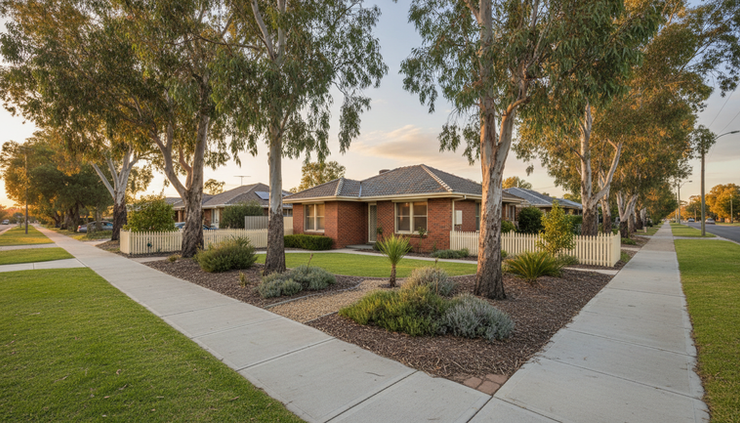
Stamp duty matters, but it is only one part of the purchase
Stamp duty can be one of the biggest upfront costs when buying property in South Australia. It is usually calculated based on the property’s value, and it can make a meaningful difference to the amount needed at settlement.
First home buyers often spend a lot of time checking whether they qualify for any grants, concessions, or assistance schemes. That makes sense. Government support can change the numbers.
Still, there are two traps to avoid.
The first is assuming that a lower stamp duty bill means the purchase is affordable. A home can look manageable at settlement but become tight once loan repayments, council rates, insurance, water charges, and repairs begin.
The second is focusing so much on stamp duty that other upfront costs become surprises. Settlement can involve several parties, and each may bring fees, adjustments, or conditions that affect cash flow.
A stronger approach is to build a full purchase budget before making an offer. That budget should include:
The deposit
Stamp duty and registration costs
Conveyancing fees
Loan establishment and valuation fees
Lenders mortgage insurance if it applies
Building and pest inspections
Insurance
Moving costs
Immediate repairs or basic improvements
A cash buffer after settlement
That last point matters. A first home budget with no breathing room can become stressful very quickly.
Conveyancing fees help protect the purchase
Conveyancing is the legal and administrative work that transfers ownership of a property from the seller to the buyer. In South Australia, this work is usually handled by a conveyancer or solicitor.
A conveyancer does more than move paperwork around. They help check the contract, explain important dates and obligations, prepare settlement documents, liaise with the lender, and deal with property searches and adjustments.
For a first home buyer, this support can be valuable because the process has little room for guesswork. Contracts can contain conditions, deadlines, and special terms that affect risk. Missing a date or misunderstanding a clause can create stress or cost money.
Conveyancing fees vary depending on the provider and the complexity of the purchase. There may also be disbursements, which are third-party costs for searches, certificates, and other checks.
When comparing conveyancers, ask what the quote includes. A low headline fee may not cover everything.
Useful questions include:
What is included in the fixed fee?
Which searches are included?
What extra costs could arise?
Will you review the contract before I sign?
Who will be my main contact during the purchase?
How do you handle settlement through the electronic settlement system?
The goal is not to find the cheapest help at any cost. The goal is to understand what you are paying for and to choose someone who can explain the process clearly.

Lenders mortgage insurance can change the loan equation
Lenders mortgage insurance, often called LMI, is a cost that may apply when a borrower has a smaller deposit. It protects the lender, not the borrower, if the loan cannot be repaid and the property sale does not cover the debt.
Many first home buyers come across LMI when they have saved less than a 20 per cent deposit. The exact rules and cost depend on the lender, the loan size, the deposit, and the borrower’s situation.
LMI can be paid upfront or added to the loan in some cases. Adding it to the loan may reduce the cash needed at settlement, but it can also mean paying interest on that amount over time.
This is where careful modelling helps. A smaller deposit may allow a buyer to enter the market sooner. A larger deposit may reduce borrowing costs and improve loan options. Neither path is automatically right for everyone.
Before deciding, compare scenarios such as:
Scenario | What to check |
Buy sooner with LMI | Monthly repayments, total loan size, cash left after settlement |
Save longer for a larger deposit | Rent paid while saving, likely market changes, improved borrowing position |
Use a family guarantee if available | Legal risks, lender rules, impact on family members |
Buy a lower-priced property | Location trade-offs, future needs, renovation or repair costs |
A mortgage broker or lender can explain how LMI applies to a specific loan. A financial adviser can help consider the wider budget and long-term impact.
The key is to treat LMI as part of the total cost of buying, not as a minor add-on.
Ongoing ownership costs start straight away
Getting the keys feels like the finish line. In financial terms, it is the start of a new pattern of costs.
Renters are used to paying rent and utilities. Homeowners take on a wider set of regular and irregular expenses. Some arrive monthly. Others appear once or twice a year. A few arrive with no warning.
Common ongoing costs include:
Home loan repayments
Council rates
Water and sewerage charges
Building insurance
Contents insurance
Strata or community title fees if applicable
Electricity, gas, and internet
Gardening and outdoor maintenance
Appliance repairs
Plumbing, electrical, roofing, and general repairs
For units, townhouses, and some community title properties, strata or community fees deserve close attention. These fees may cover shared insurance, maintenance, gardens, common areas, and administration. There may also be special levies for larger works.
For houses, the maintenance responsibility usually sits fully with the owner. That can include gutters, fences, hot water systems, air conditioning, smoke alarms, trees, drainage, and general wear and tear.
A good rule is to assume that maintenance will happen, even if the home looks tidy at inspection. Newer homes may have fewer immediate issues, but they still need upkeep. Older homes may offer character and location benefits, but repairs can be more frequent.
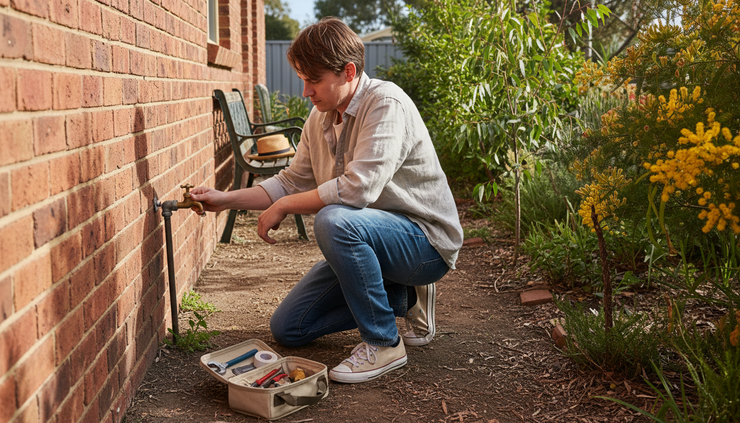
Inspections can reveal costs before settlement
Building and pest inspections are another cost that first home buyers should plan for. They are not just box-ticking exercises. They can reveal issues that affect the true cost of the property.
An inspection might identify problems such as:
Roof leaks or damaged gutters
Cracking or movement
Termite damage or conditions that attract pests
Dampness or poor drainage
Unsafe wiring or plumbing concerns
Poor ventilation
Ageing hot water systems
Structural concerns that need further advice
Not every issue means a buyer should walk away. Many homes have defects, especially older properties. The value is in knowing what those defects are before committing fully.
Inspection findings can help with:
Deciding whether to proceed
Negotiating repairs or price where the contract allows
Planning the first year of maintenance
Avoiding a property with risks outside the budget
For auctions, inspections usually need to happen before bidding. For private treaty purchases, contract conditions may allow inspections after the offer is accepted. The timing and legal effect of those conditions matter, so buyers should get advice before signing.
Local property research reduces expensive surprises
South Australia has many different property markets. Inner Adelaide suburbs, coastal areas, growth corridors, regional centres, and small towns can behave differently.
A property’s price is only one part of the decision. Location affects transport, schools, commute times, insurance considerations, future resale, access to services, rental demand, and lifestyle.
Research should be practical and local. Look beyond listing photos and broad suburb averages.
Useful steps include:
Track recent comparable sales, not just asking prices
Visit the area at different times of day
Check transport options and commute times
Look at nearby development activity
Read council information where relevant
Consider flood, bushfire, and heat exposure risks
Compare property types within the same suburb
Ask local agents about buyer demand, while remembering they act for the seller
Open inspections can also teach a lot. After seeing several properties in the same budget range, patterns start to appear. One suburb might offer larger blocks but older homes. Another might offer smaller homes with lower maintenance. A third might be cheaper because transport or services are more limited.
That knowledge helps buyers make calmer decisions when a tempting property appears.
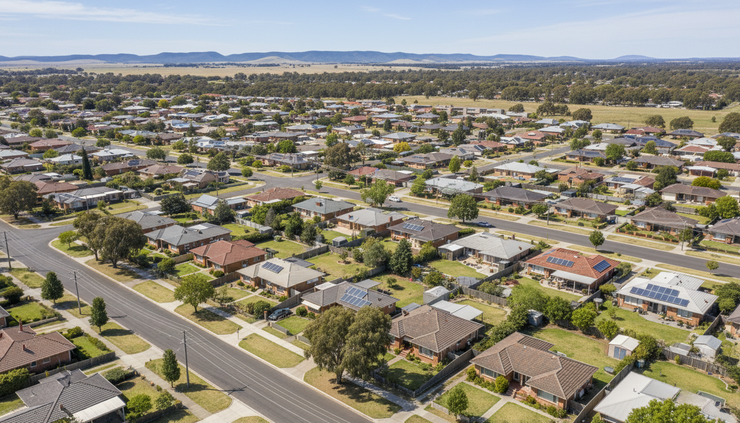
Build a first home budget before making offers
A useful budget should show more than the maximum purchase price. It should show how the purchase will feel after settlement.
Start with three numbers.
The cash available before settlement
This includes savings, gifts, grants if eligible, and any other funds that can be used. Keep emergency savings separate where possible. Spending every dollar on settlement can leave no room for repairs or income changes.
The maximum comfortable repayment
Loan calculators can show possible repayments, but comfort is personal. A repayment that looks possible on paper may feel tight once food, transport, utilities, insurance, and life costs are included.
Test the repayment against higher interest rates. Rates can move, and a first home loan may last decades. A buffer helps reduce stress if repayments rise.
The expected cost of owning the home
Add likely ongoing costs to the repayment. Include annual bills by dividing them into monthly amounts. For example, if a cost comes once a year, set aside money each month so the bill does not feel like a shock.
A simple first home budget might include:
Budget item | Why it matters |
Settlement costs | Shows how much cash is needed to complete the purchase |
Emergency fund | Protects against repairs, illness, job changes, or rate rises |
Monthly repayments | Tests whether the loan fits normal income |
Regular bills | Includes rates, water, insurance, utilities, and strata if relevant |
Maintenance allowance | Helps cover repairs before they turn into debt |
Moving and setup costs | Covers removalists, cleaning, locks, furniture, and essentials |
This process can feel conservative, but that is the point. A home should provide stability, not constant financial tension.
Plan for the first year after moving in
The first year of ownership often brings extra spending. Some costs are predictable. Others appear once daily life in the home begins.
Common first-year costs include changing locks, buying tools, installing curtains, repairing appliances, improving storage, fixing garden issues, or replacing worn fittings. None of these may seem large on their own. Together, they can add up.
One helpful approach is to divide first-year spending into three groups.
Must do now
Safety issues, urgent repairs, insurance requirements
Should do soon
Preventive maintenance, comfort upgrades, basic energy improvements
Can wait
Cosmetic changes, new furniture, landscaping extras
This keeps spending focused. It also reduces the chance of using credit for non-urgent upgrades straight after settlement.
For example, a leaking pipe belongs in the first group. A tired but working kitchen may belong in the third. New curtains might sit in the middle if privacy, heat, or sleep is affected.
The aim is to protect the property and household cash flow before chasing perfection.
Get professional advice early
Buying a first home involves legal, financial, and practical decisions. Professional advice can cost money upfront, but it can also prevent costly mistakes.
Helpful professionals may include:
A conveyancer or solicitor for contract and settlement advice
A mortgage broker or lender for loan options and borrowing capacity
A building and pest inspector for property condition
A financial adviser for broader financial planning
An accountant if tax or ownership structures are relevant
An insurance adviser for cover needs
The best time to seek advice is before signing a contract, not after. A contract can create binding obligations. Loan pre-approval can also have conditions, so buyers should understand what still needs to happen before finance is final.
Good advice should leave you clearer, not more confused. If a professional uses terms you do not understand, ask them to explain in plain English.
A calmer way to buy your first home
Buying a first home in South Australia is a major step, and it is normal for the numbers to feel confronting at first. Stamp duty deserves attention, but it should sit inside a wider plan.
The strongest buyers are not always the ones with the biggest budgets. They are often the ones who understand their full costs, know their limits, research the local market, and ask for help before pressure builds.
Start with a complete budget. Include conveyancing, lenders mortgage insurance if relevant, inspections, insurance, moving costs, and ongoing maintenance. Then test the budget against real life, not just a lender’s maximum.
A first home does not need to be perfect. It does need to be affordable, suitable, and understood before the contract is signed. That is what turns a purchase from a stressful leap into a more confident decision.


Comments